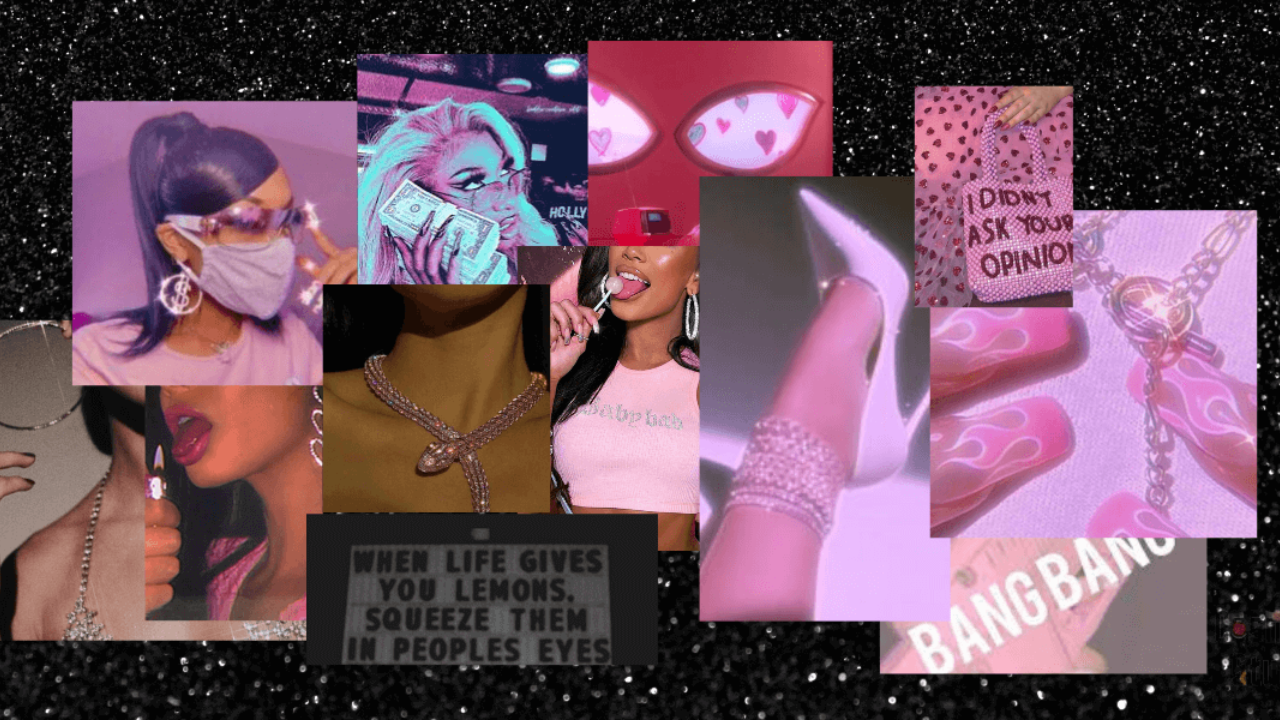
From contour kits to clean-girl makeup, from bodycon dresses to cargo pants, the baddie aesthetic has come a long way over the last decade. What began as an Instagram trend quickly became a cultural movement, redefining confidence, beauty, and self-expression across generations.
At BaddiesHub, we’ve been tracking this transformation closely — not just through the filters and fashion, but through the mindset, attitude, and identity behind it. The baddie aesthetic of 2025 looks very different from its 2015 origin, and that evolution tells us a lot about where beauty and power are headed.
Let’s take a look at how the baddie aesthetic has grown, adapted, and redefined itself over the past ten years.
2015: The Birth of the Instagram Baddie
In 2015, the term baddie exploded on social media, particularly Instagram. The aesthetic was unmistakable — full glam makeup, bold brows, matte liquid lipstick, thick contour, long lashes, and high-waisted jeans paired with tight crop tops. Think Kylie Jenner, Tammy Hembrow, and early influencers like Amrezy.
It wasn’t just about fashion; it was a specific way of presenting yourself. Photos were carefully curated, captions were minimal or mysterious, and everything from your pose to your phone case mattered.
The 2015 baddie:
- Prioritized perfection
- Followed makeup tutorials step-by-step
- Loved bodycon, heels, and statement accessories
- Used FaceTune like it was second nature
- Was polished, curated, and intentional
It was a high-maintenance, high-impact look — and it set the tone for what baddie culture would eventually become.
2017: Streetwear Meets Sexy
By 2017, the baddie aesthetic had started to blend with streetwear culture. Oversized hoodies, bomber jackets, thigh-high boots, and athleisure became part of the mix. The baddie wasn’t just pretty anymore — she was edgy, urban, and influenced by rap and trap music culture.
Social media platforms like Snapchat and YouTube saw a rise in Get Ready With Me videos and street-style lookbooks. Fashion Nova became the go-to brand, and influencers who paired sultry makeup with relaxed fits were dominating explore pages.
The new baddie aesthetic:
- Mixed glam with casual
- Balanced softness and toughness
- Drew from Black and Latina beauty standards
- Embraced slick hairstyles, long nails, and bold accessories
Baddie culture was no longer just about looking good — it was about expressing attitude and originality through every detail.
2019: Natural Faces, Digital Fame
Around 2019, the shift toward a more “effortless” baddie began. Influencers like Lori Harvey and Instagram personalities started to show more skin without the heavy makeup. While full glam was still in, there was growing appreciation for natural beauty, glowing skin, and no-filter confidence.
TikTok also entered the scene, bringing with it a whole new generation of Gen Z baddies who were redefining trends in real time. The emphasis moved from edited perfection to real-time authenticity. The new wave of baddies:
- Wore less foundation and more highlighter
- Embraced curly hair, box braids, and natural textures
- Showed skin positivity, stretch marks, and real curves
- Added humor, storytelling, and day-in-the-life content
The baddie wasn’t just posing anymore — she was performing, sharing, and connecting.
2020–2021: Pandemic Era and Digital Self-Care
With the world in lockdown, the baddie aesthetic faced a major disruption. Suddenly, loungewear became a statement. Skin care routines replaced heavy makeup. TikTok and Instagram Lives became the new stages for baddies stuck indoors.
But what could’ve been a pause became a powerful transformation. The pandemic-era baddie prioritized:
- Self-care over social performance
- Matching tracksuits, slippers, and soft makeup
- Mental health, healing, and inner beauty
- DIY beauty routines, press-on nails, and at-home glam
This period gave rise to a more emotionally aware, introspective baddie. She wasn’t out at the club — she was journaling, building her brand, and learning to rest.
2022: The Rise of the Soft Baddie
As the world reopened, a new aesthetic emerged — soft glam, clean girl energy, and neutral tones. The baddie of 2022 still cared about beauty, but she didn’t need to prove it. There was a move toward:
- Slicked-back buns
- Minimal lashes
- Neutral lip gloss
- Matching neutral sets
Makeup was barely there but still flawless. Skincare brands blew up. Influencers became entrepreneurs. And baddie culture took on a new meaning — no longer defined just by looks, but by balance, calmness, and control.
2023–2024: Diversity and Digital Power
By this point, the baddie aesthetic was no longer limited to one type of body, face, or background. More creators of color, different body sizes, LGBTQ+ identities, and cultural influences began to take center stage.
This period was marked by:
- Thrifted fashion and sustainability
- Bold statement pieces (cargo skirts, corsets, neon accents)
- Representation of all skin tones, body types, and gender expressions
- Baddie activism: using platforms to speak up, not just show off
Baddie culture matured. It was no longer just a visual — it became a voice. Baddies were building brands, launching podcasts, joining conversations about race, gender, wellness, and entrepreneurship.
2025: Freedom, Fluidity, and Full Expression
Now in 2025, the baddie aesthetic is less about rules and more about freedom. There is no one way to look like a baddie anymore. The identity is built on choice, confidence, and creativity.
The modern baddie may wear:
- A full face of makeup one day, and bare skin the next
- A tracksuit in the morning, and a sheer dress by night
- Braids, a buzz cut, or a bright pink wig
She may work in tech, teach yoga, run a beauty brand, or create viral TikToks. What connects them is not how they look, but how they move. They move with power, intention, and freedom from old expectations.
Platforms like BaddiesHub are at the center of this evolution, highlighting not just what baddies wear, but how they think, speak, and grow. The focus now is:
- Empowerment
- Inclusivity
- Personal style over trends
- Real stories over edited lives
Final Thoughts
From contour queens to conscious creators, the baddie aesthetic has gone through a powerful transformation between 2015 and 2025. What began as a curated visual on Instagram has grown into a movement of identity, power, and full expression.
At BaddiesHub, we know that today’s baddie is not here to fit in — she’s here to break out. She’s more than a look, more than an influencer, more than a vibe. She’s a reflection of how far beauty, confidence, and freedom have come in just ten years.
If you’re stepping into your own baddie era, remember this — the only rule is to be real.